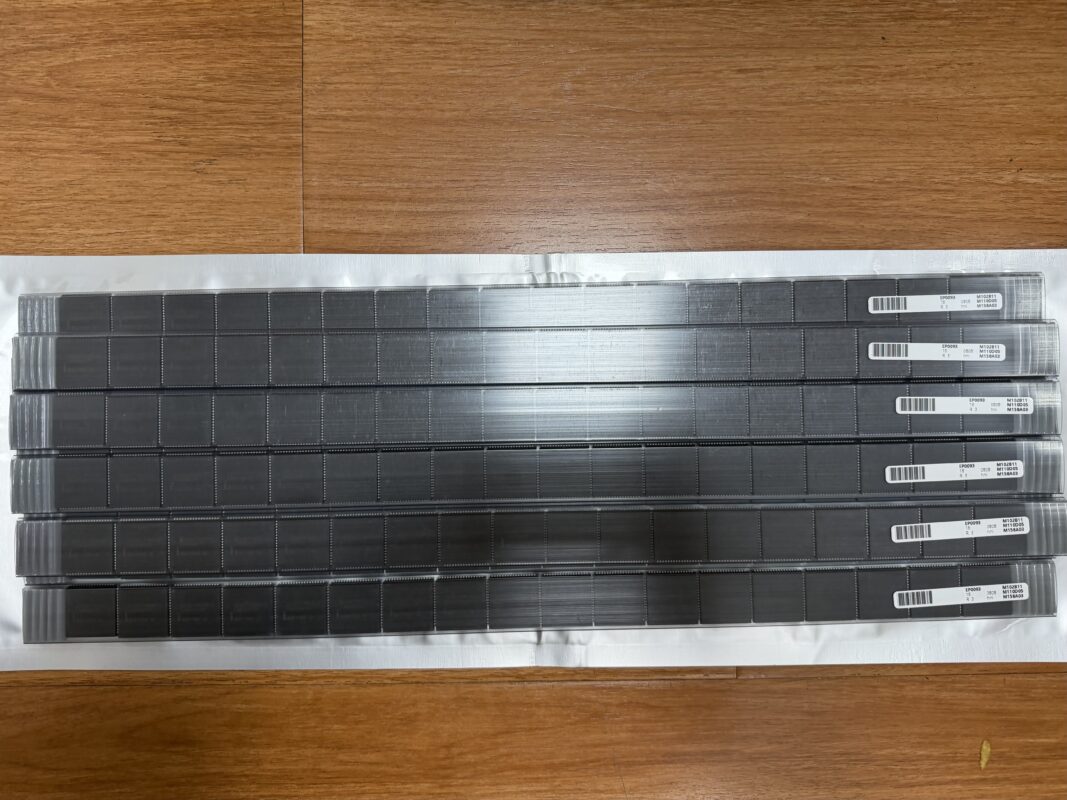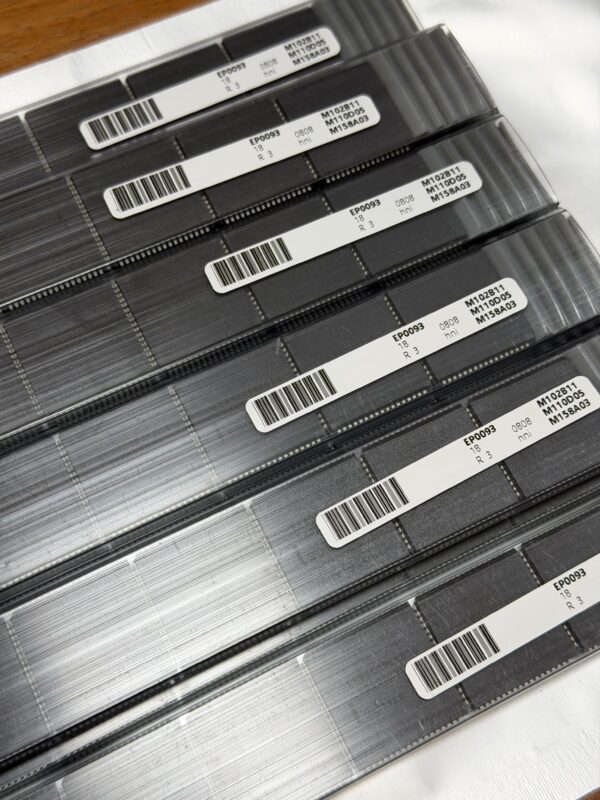



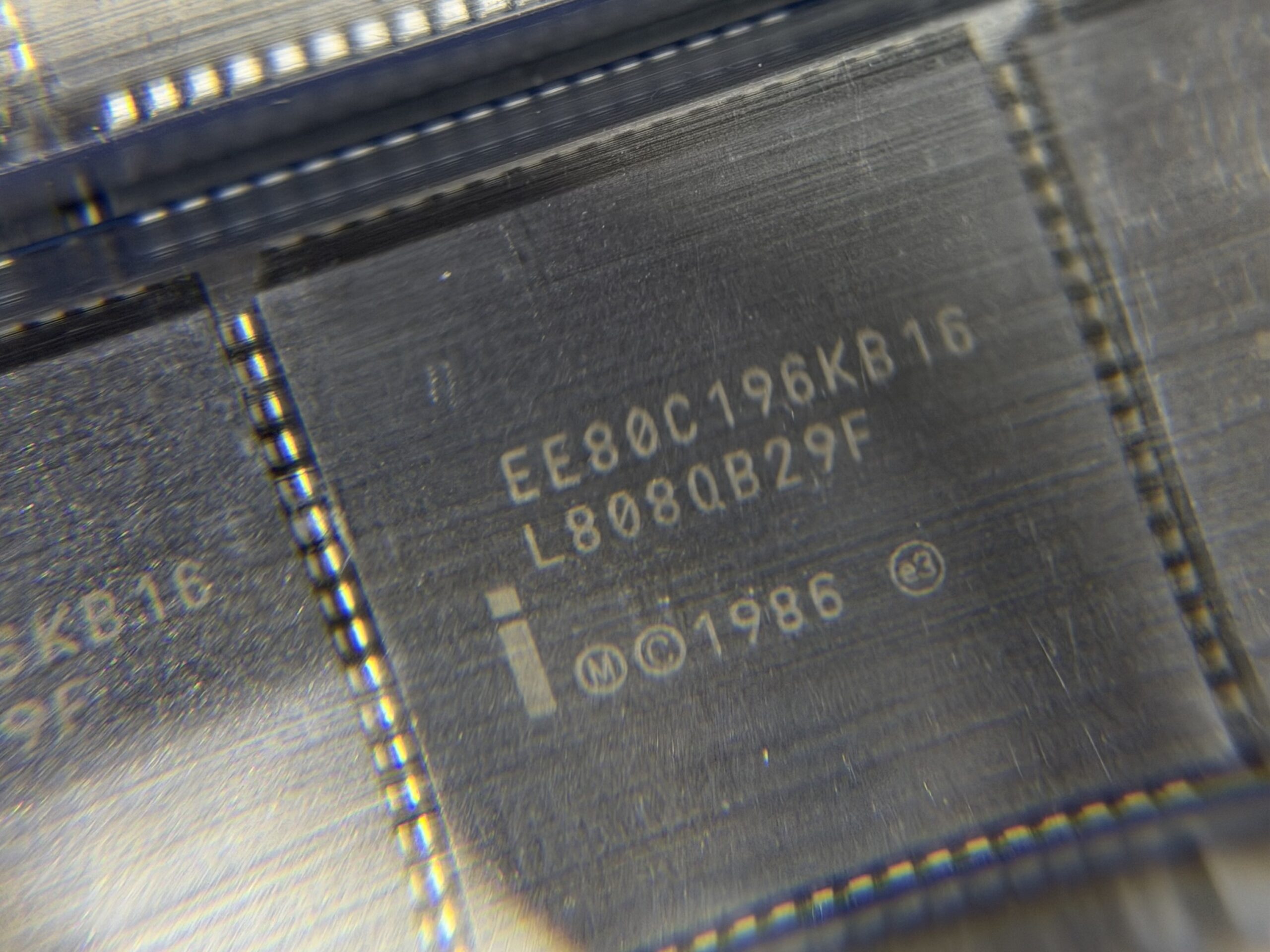
The Intel 80C196KB is a 16-bit CHMOS microcontroller from the Intel MCS-96 family.
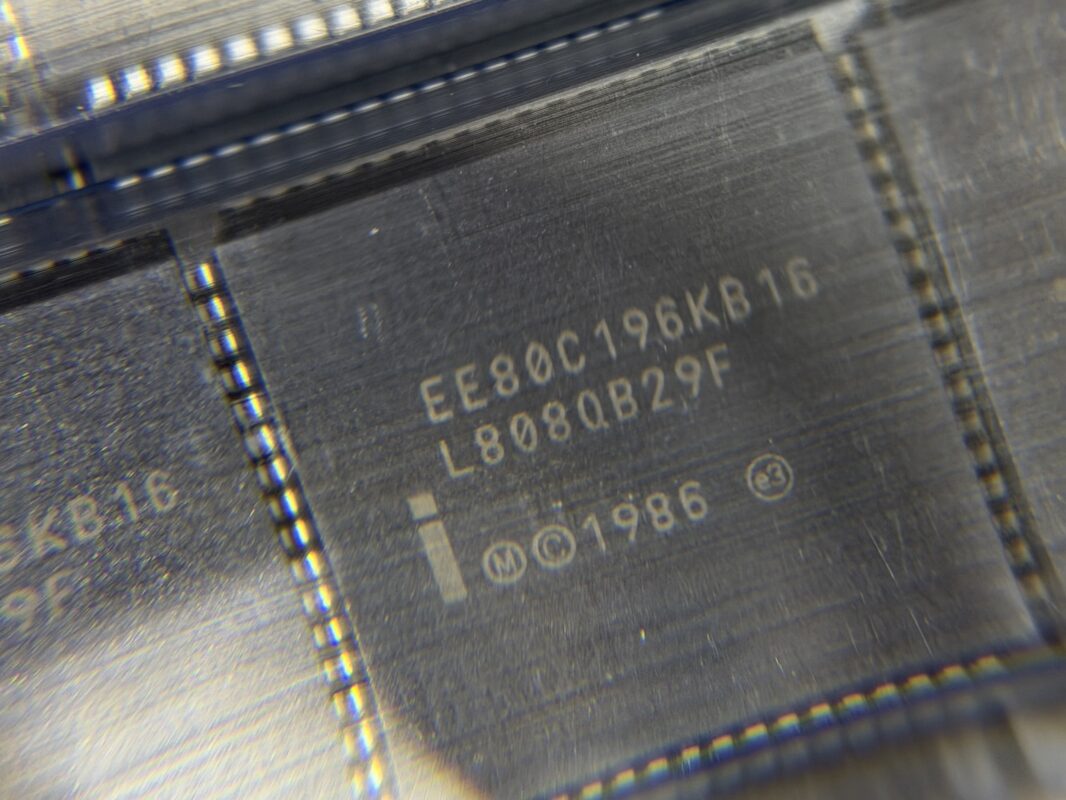
Getting to Know the Intel 80C196KB
When engineers of a certain era talk about legacy microcontrollers that just won’t go away, the Intel 80C196KB is almost always on the list. Introduced as part of the MCS-96 family, it powered a whole generation of industrial and automotive designs — and it still does, in the field, today.
What It Is
The 80C196KB is a 16-bit CHMOS microcontroller built around the classic 8096 CPU core. Instead of the accumulator-based model common in 8-bit parts, it uses a register-to-register architecture, which made real-time code faster and cleaner to write. It was offered in two speed grades — 10 MHz (-10) and 16 MHz (-16) — and the widely used N-version (N80C196KB) is ROMless, letting designers pair it with external memory sized to the application.
Inside the Package
The chip comes in 68-pin PLCC, PGA, and LCC packages, so it fits neatly onto the boards of the late 1980s and 1990s. On-chip peripherals cover most of what an industrial control board needed back then: a serial interface (UART/SSIO), timers, PWM outputs, a hardware watchdog, and analog input channels. For long-running equipment, that combination of 16-bit compute plus hardened peripherals is exactly why so many machines stayed on this platform for decades.
Where It Lives
Typical designs include factory-floor PLCs, motor and servo drives, HVAC controllers, and older automotive ECUs. These are not products being launched today — they are products that have been running for 15, 20, even 30 years, and the engineers supporting them need a reliable source for the silicon they were built around.
Sourcing Reality
Intel has long since marked the part as NRND / EOL. The good news is that authorized continued supply exists through Rochester Electronics, which keeps the 80C196KB family in production under controlled conditions. Beyond authorized channels, buyers should treat spot-market units with care: lot traceability, original-vs-refurbished status, and RoHS compliance all need to be confirmed per shipment. For any new design, the smarter move is to plan a migration to a modern 16/32-bit MCU — but for keeping existing machines alive, the 80C196KB remains the right tool for the job.